



Data & Society is an independent, nonprofit 501(c)(3) research institute. We are committed to the independence and autonomy of Data & Society’s initiatives and convenings. We do not accept funding that would affect our ability to pursue work free of external interference, and we fiercely protect the independence of our researchers and fellows in their intellectual activities and individual funding relationships. Read more in our statement on organizational independence and gift acceptance.
Research and policy for the public interest
Data & Society believes that technology policy must be grounded in research, account for tech’s real-world impacts, and serve the public.
For the latest news, events, and ideas, subscribe to our newsletter.
Follow us
The Latest from Data & Society
Primer
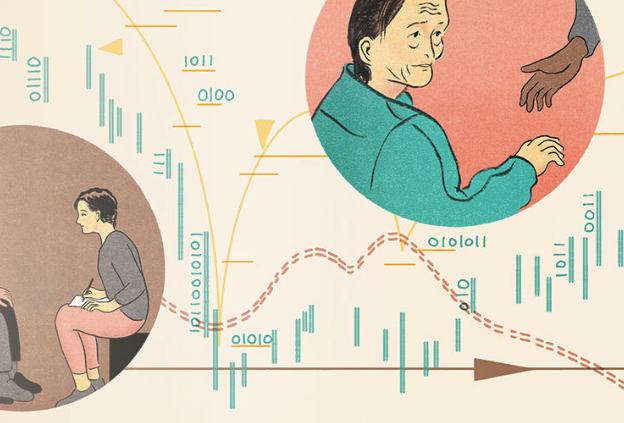
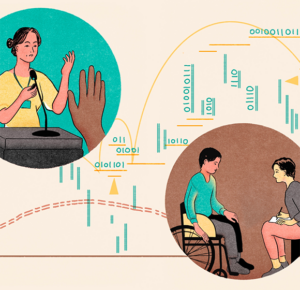
Last Place in the AI-First Economy: How the AI Industry Relies on Worker Disempowerment
Alexandra Mateescu, Aiha Nguyen, and Sanjay Pinto argue that the sprint to create the so-called AI-first economy must be understood not as the logical march of progress, but as a series of deliberate economic decisions that risk harming workers in ways both old and new.
Policy Brief
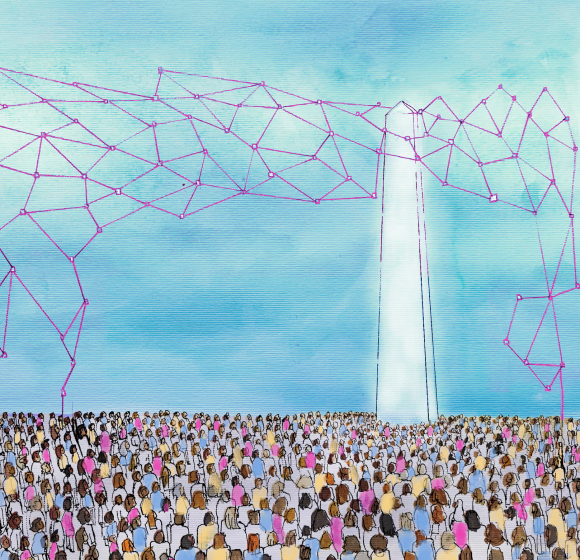
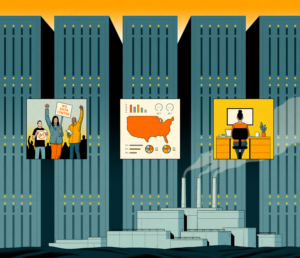
Pennsylvania's Power: Why Local Authority Is the Key to AI Infrastructure Decisions
In seeking to accelerate large-scale AI infrastructure projects in Pennsylvania, efforts that bypass local governance can harm communities. Cella Sum and Maia Woluchem offer an alternative framework that better aligns state-wide infrastructure goals with local needs.
Policy Brief
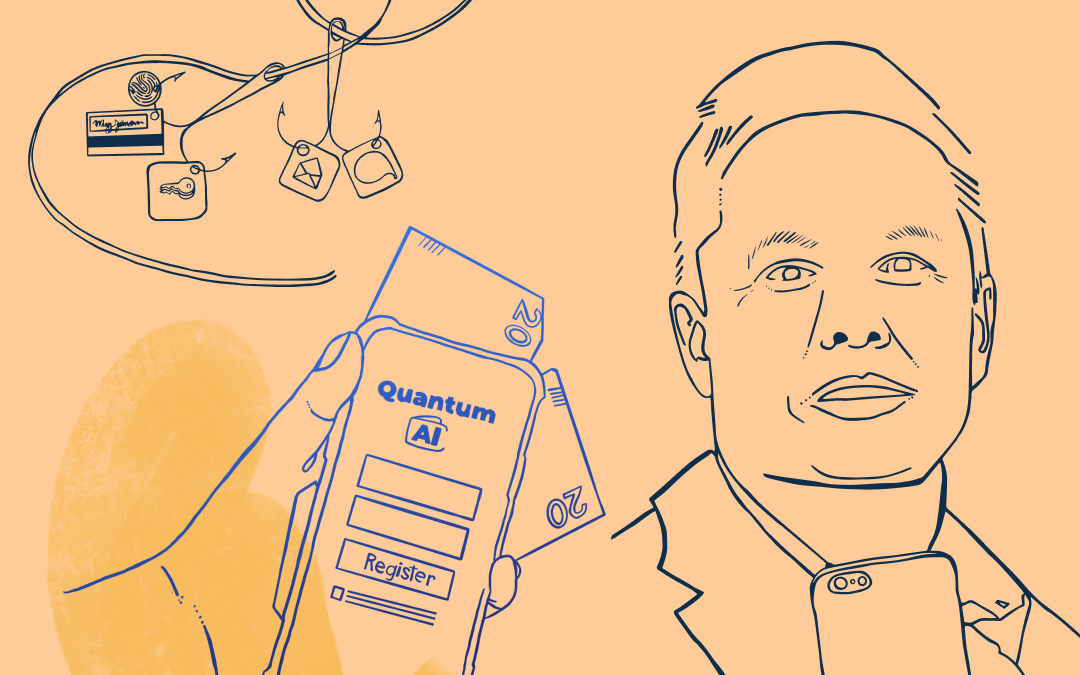
Deepfake Financial Fraud: The Global Regulation of AI-Driven Scams
Around the world, AI-generated deepfakes are being used to enable financial fraud, and causing serious harm to individuals, businesses, and the public trust. With regulation lagging behind, this brief explores the limits of current approaches and underscores the need for institutional accountability.
Points
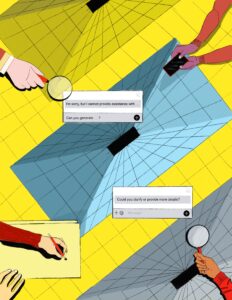
Protecting the Public from Chatbot Harms: Aligning State Policy with Research
Policy Manager Serena Oduro outlines a set of recommendations aimed at the gap between current legislation and the reality of how people engage with chatbots.